






H.F.X Technical Support for SPI and ICT Upgrades in Europe
Source:H. F.X Customer CaseRelease time:2024-10-18 21:16:43
European SPI and ICT equipment upgrade, H.F.X on-site technical support helps improve efficiency in high-end electronic manufacturing
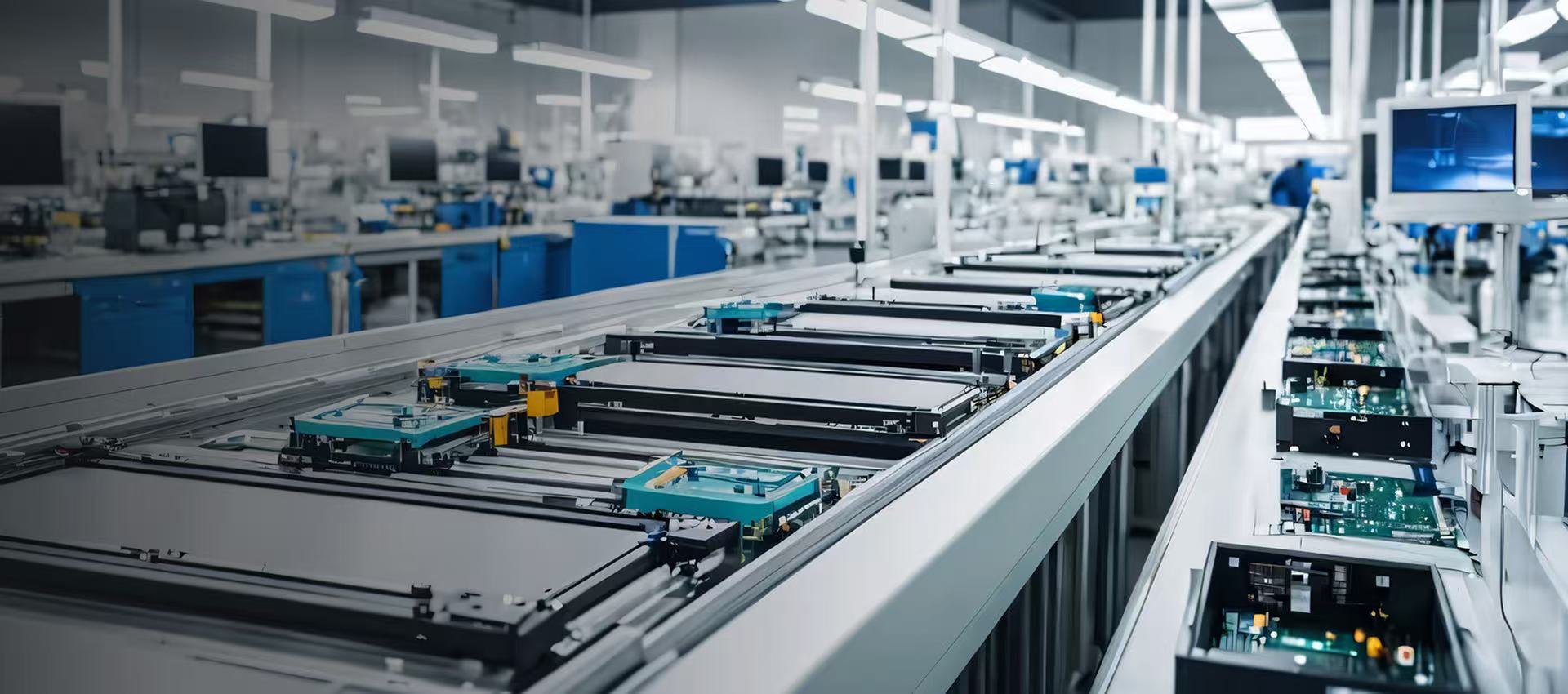
In the fields of high reliability electronic manufacturing such as automotive electronics and aerospace, solder paste printing inspection (SPI) and online ICT electrical testing are the two core checkpoints to maintain the bottom line of product quality. With the continuous growth of high-end electronic orders in Europe, many manufacturing companies with mature SMT production lines are facing pain points where their existing testing capabilities cannot keep up with the demand for expansion. As a technology service provider deeply involved in high-end SMT services worldwide, H.F.X provides one-stop on-site technical support from SPI and ICT equipment deployment to full process integration and debugging for European customers' existing production line upgrade needs, helping customers quickly fill quality control gaps without disrupting their original production pace.
H. F.X launches testing and upgrading project in Europe to serve long-term high-end customers
In March 2023, H.F.X successfully completed a targeted overseas technical support project in Europe, serving senior cooperative clients deeply involved in the fields of automotive electronics and aerospace manufacturing. Previously, this customer had completed the capacity expansion of SMT production line, DIP assembly line, and conformal coating production line. In order to match the new high-end order production standards, further strengthen the full process quality control capability, and improve the efficiency of factory testing, the customer chose to purchase SPI solder paste testing equipment and online ICT electrical testing equipment from H.F.X.
In order to ensure that the new equipment can seamlessly integrate into the customer's mature manufacturing system and avoid production interruptions during the upgrade process, H.F.X specially dispatched senior engineers with more than ten years of SMT testing equipment debugging experience to provide full process on-site services at the customer's factory in Europe, covering the entire process of equipment installation, fine debugging, mass production trial run, and technical personnel practical training. Ultimately, they successfully helped two sets of new testing equipment fully integrate into the customer's existing production process.
Customized upgrade plan to fill the gap in high-end manufacturing quality control
This European client has maintained stable cooperation with H.F.X for many years, and has already fully introduced H.F.X's SMT production line, DIP assembly line, and conformal coating production line. In recent years, the global market demand for automotive electronics and aerospace electronic products has continued to rise, with increasing customer orders. The process monitoring and electrical testing capabilities of existing production lines are gradually falling behind the new production standards, which can easily lead to hidden quality hazards during large-scale production.
Our technical team has tailored a targeted upgrade solution based on the actual production pain points of our customers. We have deployed SPI solder paste detection equipment and online ICT testing equipment at key nodes of the production line: after the solder paste printing process, SPI detection is connected to screen out poorly printed PCB boards in the first time, avoiding cost waste caused by problem products flowing to subsequent processes; After the finished product assembly is completed, the electrical performance of the entire board is verified through online ICT equipment, double checking the product's factory quality. The entire new equipment is fully compatible with the operational logic of the customer's existing SMT production line, significantly improving product production quality and reducing potential quality risks during large-scale production from the source.
Full process on-site debugging training to solve core integration and adaptation challenges
After arriving at the customer's European factory, the H.F.X engineer immediately coordinated with the customer's local technical team to prioritize the replacement of old equipment, adjustment of production line routes, and overall calibration of new equipment. They were the first to complete the hardware installation, power on, and basic operation testing of the SPI system, confirming that the hardware status of the equipment itself was completely stable.
Entering the software debugging phase, the engineers completed the system software installation and backend database configuration one by one: not only did they complete the deployment of the core program of the SPI system, but they also connected the data communication links between the SPI equipment, solder paste printing machine, and SMT surface mount machine. They investigated and solved potential problems in cross device network communication one by one, allowing the detection data to be directly fed back to the front-end printing and mounting equipment, achieving automatic optimization and adjustment of process parameters.
After completing all the basic settings, the engineer directly imports the actual production products of the customer to create a dedicated testing program, finely adjusts the various parameters of MARK point recognition, and repeatedly verifies the accuracy of the testing results with real mass-produced PCB boards to ensure that the missed detection rate and false detection rate of SPI testing are controlled at the top level in the industry. At the same time, systematic training will be conducted for the customer's technical team, covering core skills such as SPI program writing, Gerber file analysis, process optimization software operation, and in-depth analysis of production data, so that the local team can independently complete the development of testing programs for different new products in the future.
For online ICT testing equipment, engineers have also completed full process debugging, product testing, and performance verification. They have used the customer's actual mass-produced products to complete multiple rounds of testing and verification, and finally output complete testing and analysis reports. For a small number of special components that cannot be directly measured temporarily, targeted optimization testing plans have also been provided.
Throughout the entire on-site service cycle, H.F.X engineers actively assisted customers in solving multiple practical problems that had long plagued production, including cross device communication parameter calibration, SMEMA signal docking and matching, barcode recognition accuracy optimization, backend software function configuration, and full chain production data integration. The entire process was coordinated with the original equipment technical team and local engineers of the customer to tackle all core issues properly and thoroughly.
The project was successfully delivered, and the customer's independent technical capabilities were synchronously upgraded
After multiple rounds of continuous testing and parameter tuning, the SPI detection system and online ICT testing equipment were successfully integrated into the customer's existing production environment, and the operating status remained stable throughout the entire process. The customer's local engineer is now fully capable of independently completing daily equipment operations, creating new testing programs, reviewing production quality data, and troubleshooting common minor faults.
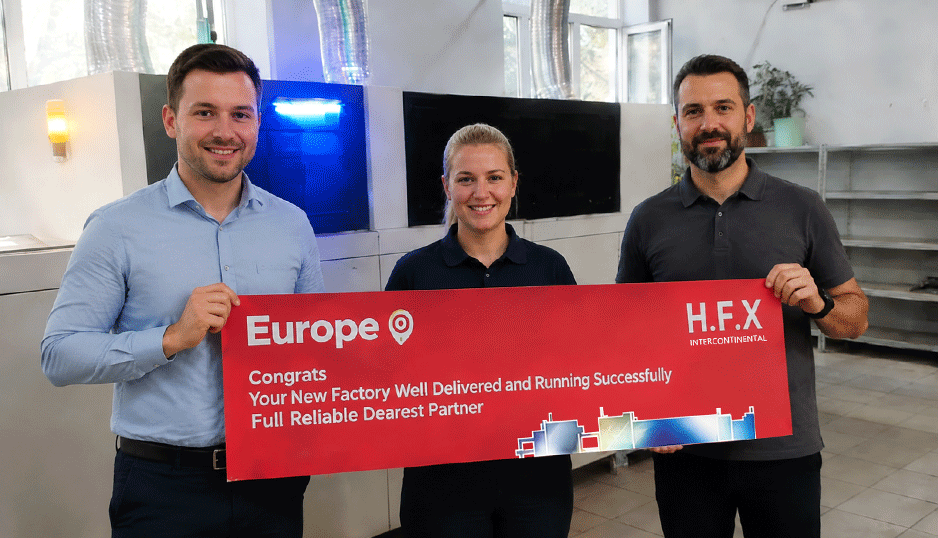
The on-site technical support provided by H.F.X this time not only completed the delivery and landing of new equipment, but also helped customers build a more complete internal testing technology system, laying a solid technical foundation for further capacity expansion in the future. The customer team highly praised H.F.X's professional overseas technical support capabilities and efficient on-site problem-solving abilities. The technical teams of both parties worked closely together throughout the entire equipment upgrade project, resulting in zero delays and accidents. The operational performance of the upgraded production line remained stable.
Previous article:None
Next article:None